What carbon credits in agriculture are, how carbon farming works and which practices help store carbon in soil. With a free technical guide.
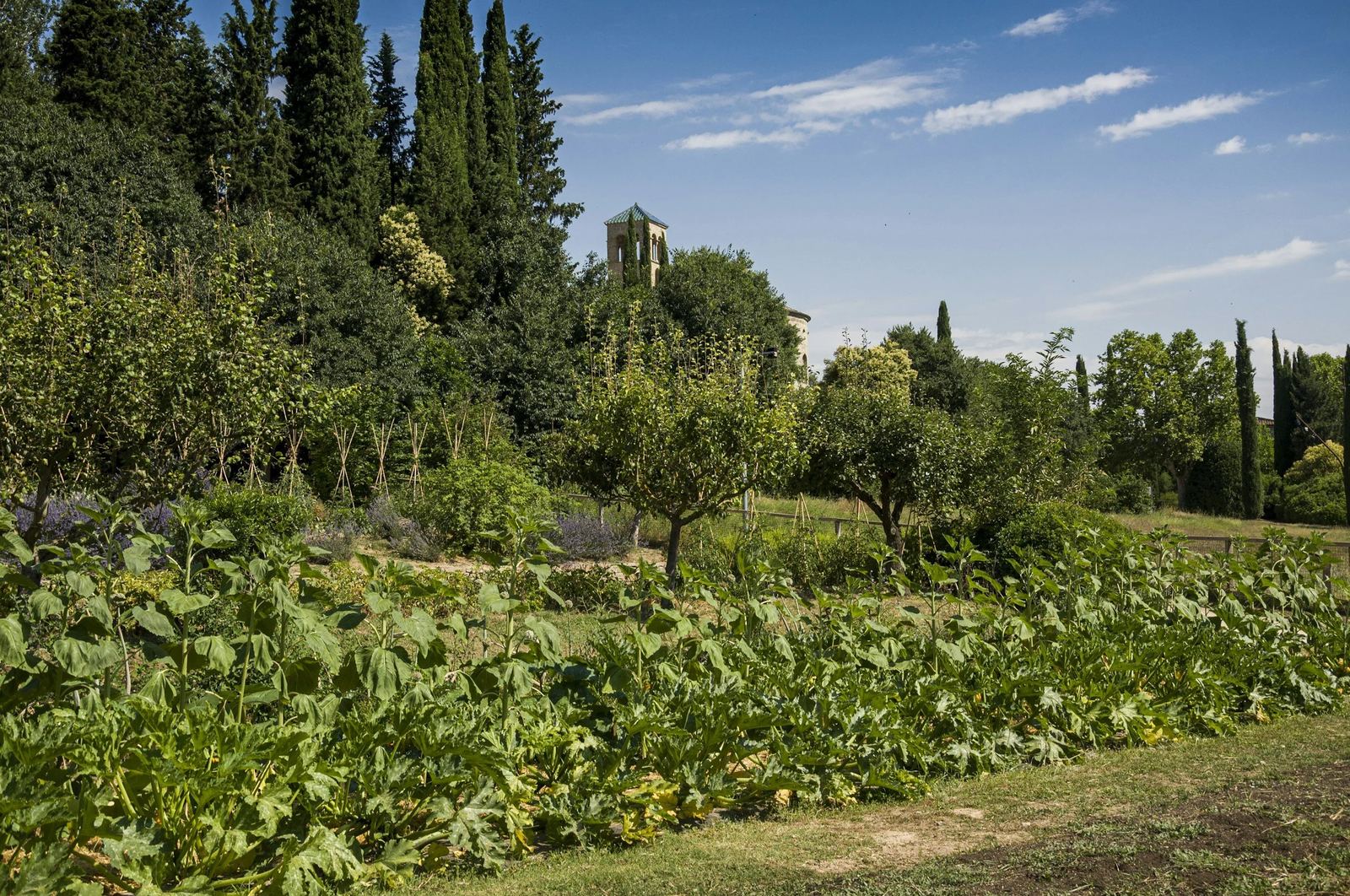
Carbon credits are playing an increasingly important role in the ecological transition, including in agriculture. Farming is not only a productive activity: managed with the right practices, it can help sequester carbon, improve soil health and make landscapes more resilient to climate change.
That is why we have prepared a technical guide to carbon credits in agriculture: a clear, accessible overview grounded in scientific evidence.
What are carbon credits in agriculture?
In general terms, a carbon credit represents one tonne of CO₂ equivalent avoided or removed from the atmosphere.
In agriculture, the concept is linked to carbon farming: adopting agronomic practices that turn soil and biomass into carbon sinks.
The role of carbon farming
Carbon farming allows farms to contribute to climate mitigation through concrete actions in the field. These practices can increase soil organic matter, reduce some greenhouse gas emissions and, under certain conditions, generate credits that can be certified on the voluntary carbon market. Starting a carbon farming project requires a structured path: adopting a single sustainable practice is not enough. It takes analysis, planning, monitoring and verification.
Why read this guide?
The guide is meant to help farmers, advisers, companies and stakeholders understand how carbon credits work in agriculture and what opportunities carbon farming offers.
It gives an introductory but practical framework: it explains the key concepts, presents eligible practices, clarifies the environmental and economic benefits and introduces the main operational challenges. Much of it is devoted to practices that can store carbon and improve soil quality, such as cover crops, minimum or no tillage, agroforestry, biochar, organic amendments, crop rotation and water management.
A useful starting point in a fast-moving field, and for building farming systems that are more resilient, sustainable and measurable.
Request the guide (in Italian)
- Carbon farming
- Carbon credits
- Agriculture
- Soil